
Remote Call Center Training: Tools & Strategies
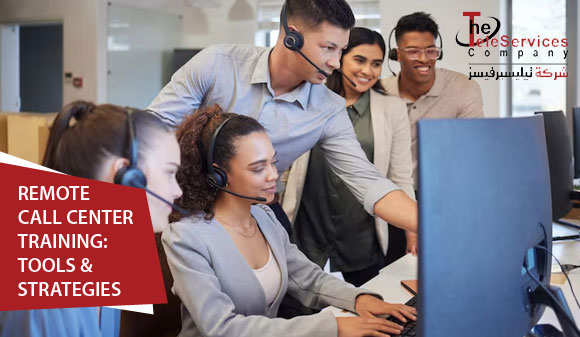
Remote work is here to stay. That is why you need a plan that keeps your team sharp without having them sit in the same physical office. Effective training should focus on clear communication, digital tools that work and a support system that prevents your agents from feeling like they are working on an island.
You will find that call center training in Dubai looks quite different now than it did five years ago, shifting from physical classrooms to cloud-based modules that employees can access from their own homes. Since the first hundred words are where you get the most value, prioritise establishing a clear technical foundation before you worry about the finer details of customer interaction.
Building a Reliable Virtual Infrastructure for Your Team
You cannot expect your agents to perform at their peak if their home office setup is held together by weak internet and outdated software. Every member of your staff needs a reliable connection to your central systems, preferably through a secure virtual private network that keeps company data safe from external threats.
As you build your training curriculum, consider providing standardised hardware so that every agent has the same audio quality and processing speed. It saves your technical support team a lot of headaches later.
Selecting Software that Facilitates Learning
Your choice of communication platform will dictate how well your team absorbs new information during their initial weeks on the job. Look for tools that allow for screen sharing and live call monitoring so that supervisors can provide real-time feedback without interrupting the flow of a conversation. A centralised knowledge base is another piece of the puzzle, giving your agents a place to find answers quickly when they are faced with a question they have never heard before.
Managing the Transition from On-site to Remote
A change in mindset can help to shift your training online. This way you no longer have to rely on walking over to each desk to check how the agents are doing. It is wise to implement a structured schedule, which includes regular video meeting sessions to keep everyone on the same page and feeling connected.
Engaging Your Remote Staff Through Interactive Sessions

The days of making new hires watch four hours of grainy videos are over, since no one actually remembers anything from those long, boring presentations. You need to create interactive scenarios where your agents can practice their skills in a safe environment before they ever speak to a real customer.
Working with a call center guru can help you design these role-playing exercises so they feel realistic and challenging enough to prepare your staff for the pressure of a live support queue. It is much better to make a mistake during a practice session than to stumble while a client is waiting on the line. Key perks of online training include-
- Record live calls from your top performers and play them back during training to show what great service sounds like in practice.
- Make use of peer feedback sessions. It helps the agents learn from each other’s experiences. Everyone shares their own tips and can stay productive at home.
- Strategic classes will prepare the operators on the techniques to handle clients smartly and reduce outsourced call acceleration rates.
The Strategic Value of External Expertise
Most of the time, your internal team is so engaged on daily tasks that they miss out on the bigger picture of how an industry is changing. Outsourcing remote call centre consulting can help you recognise the gaps in your current training techniques. An outdated method could perhaps be the reason why you are experiencing high staff turnover or poor customer reviews. These experts bring a wealth of knowledge from different sectors and can help you implement best practices that you might not have considered on your own.
As you look at the options for call center training in Dubai, you will see that the focus is shifting toward cultural intelligence and emotional empathy. Training your agents to grasp the nuances of different accents and local customs is a massive advantage in a global market, and it is something that requires a very specific set of teaching skills. Plus, having a clear roadmap for career progression within your remote team will help you keep your best talent from looking for work elsewhere.
Monitoring Performance Without Being Overbearing
You want to know that your agents are doing a good job, but no one likes feeling like they are being watched every second of the day. Use data analytics to track key performance indicators like first-call resolution and average handle time, but use this data as a starting point for a conversation rather than a way to punish people. A call center guru often suggests that the most successful managers are the ones who use these metrics to offer support and additional training where it is needed most.
Providing Continuous Feedback Loops
A remote call centre training is not a temporary event that ends after a month. It is a continuous procedure. Products change and so do the customer expectations, which is always moving higher. That is why scheduling monthly courses on new software updates or common complaints that have come up recently, is important. This helps to keep your team at the top of their game.
Building a Resilient Culture for the Future
As you finalise your remote strategy, remember that the goal is to create a team that feels empowered and capable of solving problems on their own. By investing in call center consulting, you are giving your business the tools it needs to stay competitive in a world where customer service is often the only thing that sets you apart from your rivals. Your agents are the face of your brand, and the time you spend training them today will pay off in the form of loyal customers and a much stronger reputation in the marketplace.
The Teleservices Company is one of the top choices for businesses that want to improve their customer interactions and build a more efficient remote workforce. Our team offers the expert call center consulting services you need to develop a training programme that delivers measurable results for your organisation.
Author Bio
The author is a lead consultant and seasoned expert in the field of customer experience, bringing years of hands-on knowledge to every project. He focuses on helping firms establish a strong connection with customers. This helps to ensure high retention and satisfaction. This post prioritises on ensuring growth through proper remote call centre training.
FAQs
How are technical issues handled during a remote training session?
Having a backup plan, such as recorded sessions or a technical support team can provide necessary help to handle issues. A comprehensive testing and monitoring before the training will ensure a smooth session.
How to give feedback to a remote agent?
Video calls are a great way to give feedback to remote agents, as they ensure the tone is understood. It is wise to start on a positive note while focusing specific actions your agents can take to improve their performance.
How can you tell if a remote agent is actually learning?
Use regular quizzes and practical assessments to check their progress, and look at their initial performance metrics once they start taking live calls. If you notice an agent is struggling with a specific type of inquiry, you can step in and offer extra coaching before it becomes a habit.
Do remote agents need different skills than on-site agents?
The core skills are the same, but remote agents need to be much more self-motivated and comfortable using digital communication tools to stay in touch with their team. They also need to have a higher level of technical literacy to troubleshoot basic issues with their home office setup.
Is it worth hiring an outside consultant for remote training?
Yes, since an external expert can provide a fresh perspective and help you avoid common mistakes that lead to wasted time and resources. They can also help you benchmark your performance against other companies in your industry to see where you can improve.
How do you maintain a company culture with a remote team?
You can build a strong culture by hosting virtual social events and encouraging open communication through group chats and video meetings. Making sure that every agent feels like their voice is being heard is the most important part of keeping a remote team unified and motivated.